Radiative Cooling Demonstration at Expo 2025 Shows Up to 40% A/C Energy Savings ―Joint study with Ritsumeikan University verifies the energy-saving potential of SPACECOOL’s radiative cooling material―
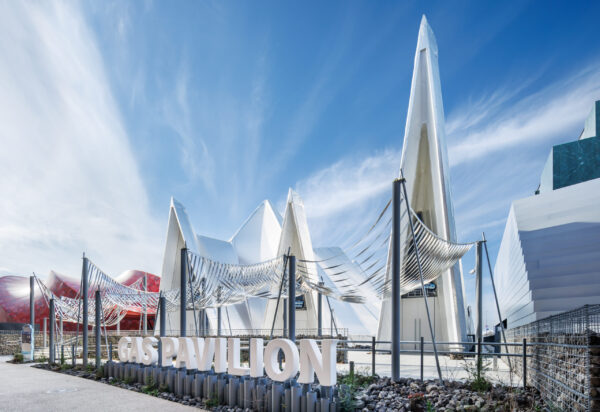
SPACECOOL INC. conducted a joint study with Professor Tomoyuki Chikamoto of the Department of Architecture and Urban Design at Ritsumeikan University, at the Japan Gas Association’s “Gas Pavilion: Obake Wonderland”.
The study evaluated how the outer membrane incorporating a radiative cooling material contributes to improving the summer thermal environment and reducing air-conditioning energy consumption.
The results indicate that applying the material could reduce air-conditioning energy consumption by up to 40% compared with conventional membrane materials.
Demonstration and Verification Overview
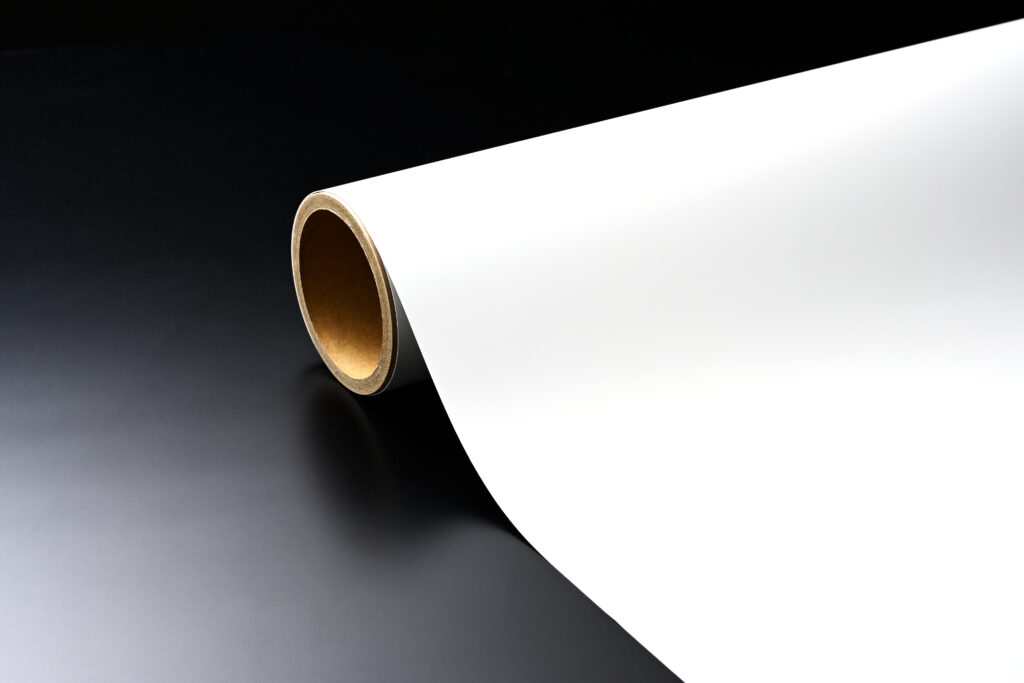
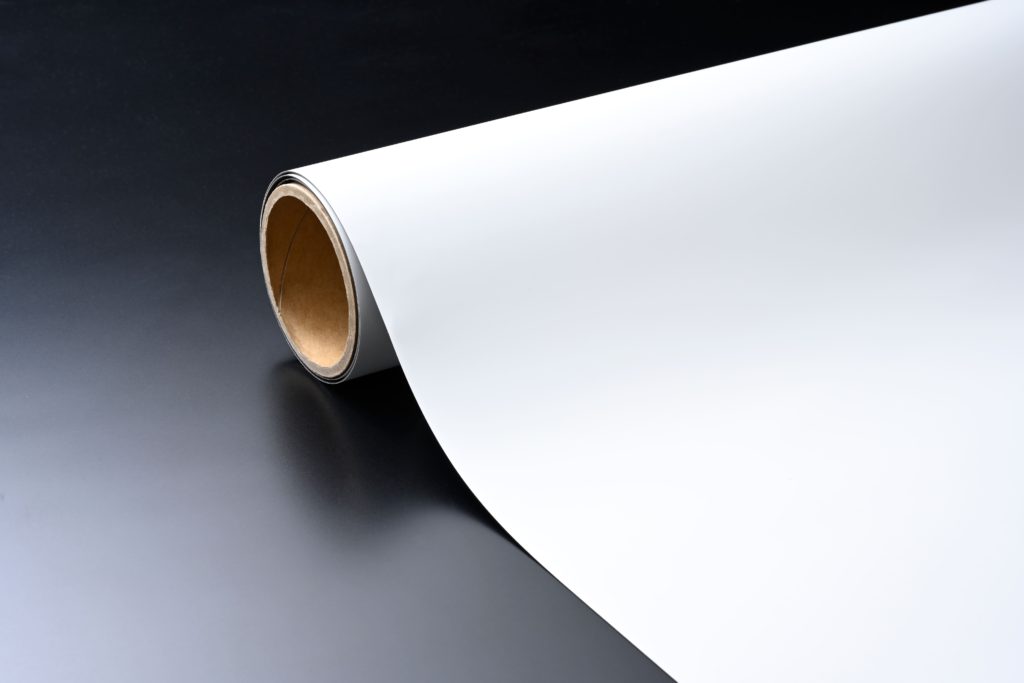
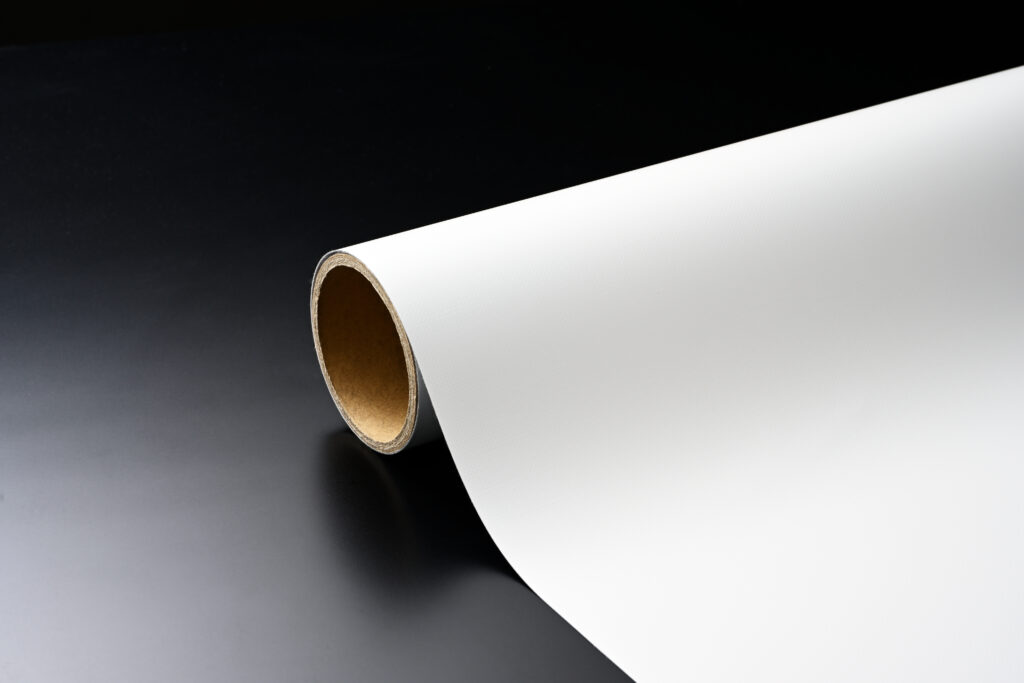
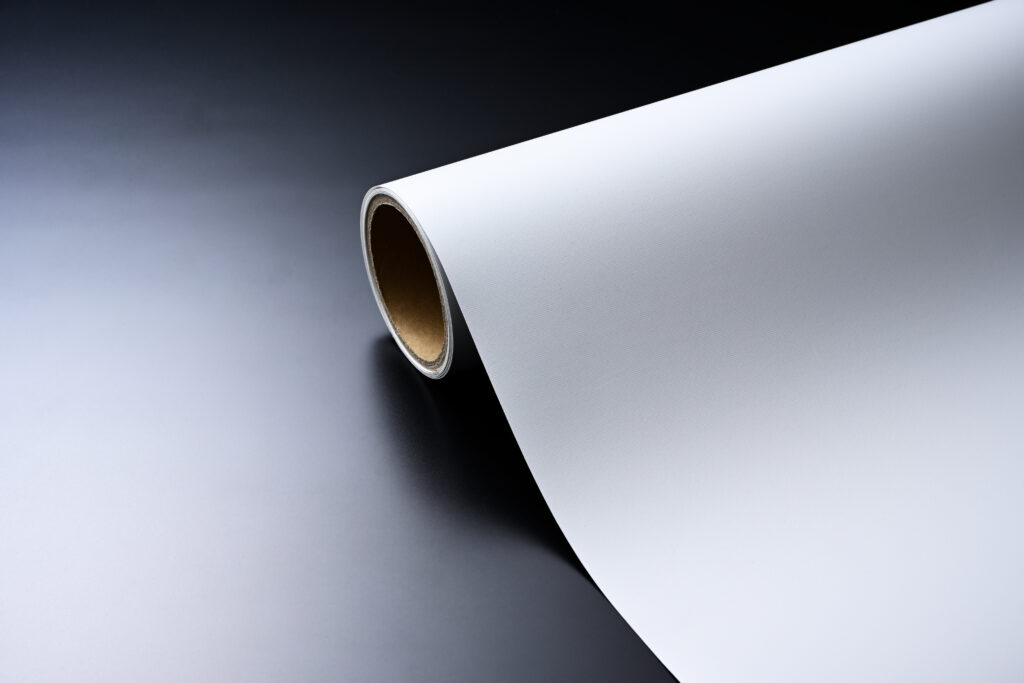
The pavilion is a membrane structure designed by NIKKEN SEKKEI LTD. Based on the concept of the Expo 2025 Osaka, Kansai, Japan―“People’s Living Lab for Future Societyー” the Japan Gas Association adopted the radiative cooling material “SPACECOOL*¹,” developed and commercialized by SPACECOOL INC., across the entire outer membrane of the pavilion, to verify the effectiveness of this new energy-saving material*².
This demonstration included on-site temperature measurements at the Gas Pavilion throughout the Expo period, as well as numerical simulations using computational fluid dynamics (CFD analysis*³) to evaluate indoor temperature distribution and the impact on air-conditioning loads.
*1 ) A new material utilizing radiative cooling technology that enables zero-energy cooling by efficiently reflecting sunlight while converting heat into infrared radiation and emitting it into outer space. The technology was originally developed by Osaka Gas Co., Ltd., and SPACECOOL INC. continues to develop applications for the material.
*2 )For more details on the adoption of SPACECOOL, please refer to: https://spacecool.jp/news/gaspavillion_spacecool/
*3) Computational Fluid Dynamics (CFD): A technology that numerically analyzes the behavior and state of various fluids using computers.
Key Results of the Demonstration
The verification results indicate that applying the material can provide energy-saving benefits compared with conventional membrane materials, including both translucent membranes that allow sunlight to pass through and opaque membranes that block sunlight.
・ The temperatures measured at the Gas Pavilion during the Expo period were largely consistent with the simulation results assuming the use of the material.
・The simulation results confirmed that applying the radiative cooling material suppresses the formation of indoor high-temperature zones, thereby improving the thermal environment.
・At the height where people typically stay inside the pavilion, the simulations showed a temperature difference of up to 2–9°C.
・Under summer conditions, reductions in air-conditioning load were confirmed:
– Approximately 35–40% reduction compared with translucent membranes
– Approximately 18–24% reduction compared with opaque membranes


The academic paper related to this demonstration is available for download here.
Future Outlook
Through Expo 2025 Osaka, Kansai, Japan—held under the theme of a “People’s Living Lab for Future Society”—the effectiveness of radiative cooling materials has been demonstrated through both field measurements and analytical simulations, highlighting their potential as next-generation building materials.
Building on the knowledge gained through this initiative, SPACECOOL will continue to promote the social implementation of radiative cooling technologies and contribute to the realization of sustainable buildings and urban environments.
*“SPACECOOL” is a registered trademark.