Outdoor Equipment | SPACECOOL INC.

SOLUTIONS - Outdoor Equipment

Cubicles, HVAC systems, control panels, etc.
Resources

Current thermal issues and solutions with SPACECOOL

Internal electric/electronic devices deteriorate/fail

  • Device life
  • Maintenance cost

Measurement errors occur Trust in measurements lost

  • Less measurement error
  • Increased trust

Cooling requires energy consumption and CO2 emissions

  • Cooling cost
  • CO2 emissions

Challenges of Conventional Heat Countermeasures

Failure rates and service life of outdoor equipment such as distribution boards and telecommunications devices are greatly affected by the heat in their surrounding environment

Shading Panel

  • Warm air builds up between the distribution board and the shading panel
  • Once heat builds up, the internal temperature is slow to decrease

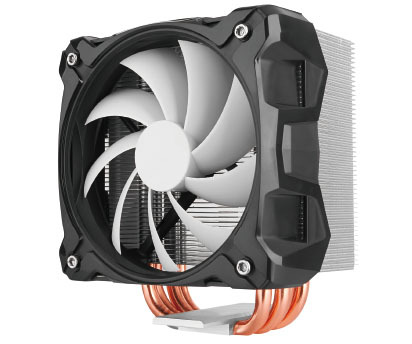
Cooling fan

  • Draws in dust and moisture
  • Regular maintenance is required

Panel Air Conditioner

  • Requires a large amount of power
  • Additional installation costs are high

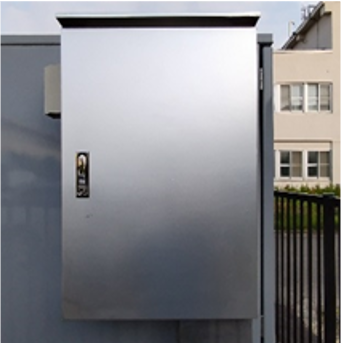
Demonstration Results: Distribution Boards

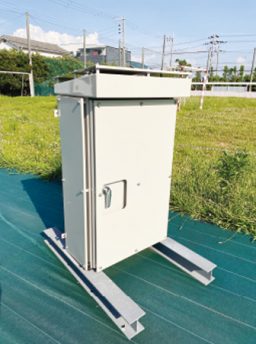
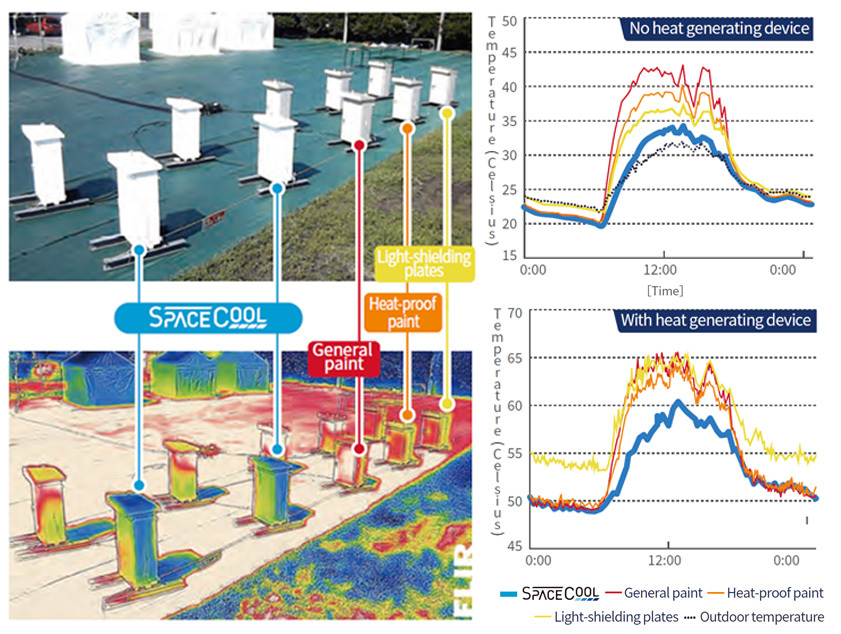
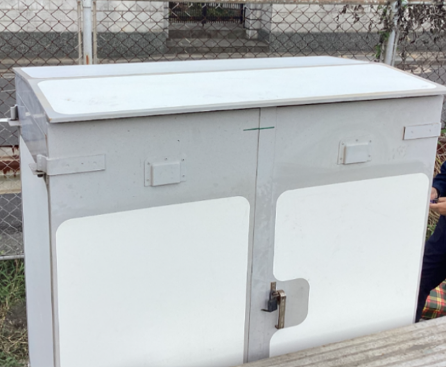
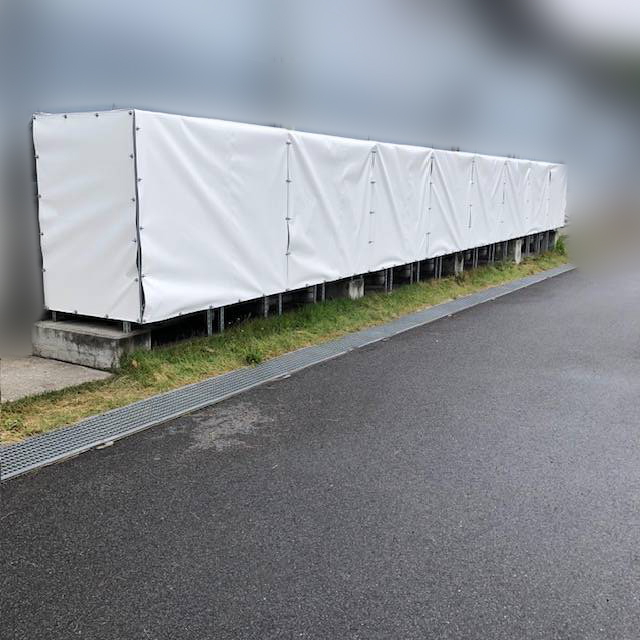
Reduces the temperature inside the electronic control panel by approximately 10°C

Test conditions

Date
September 21, 2021
Heat Source
Inverter-simulated device (200 W)
Size
H1000 × W600 × D300
Material
SPACECOOL Film
Coverage
Entire surface (top and all sides)

Test results

Without Heat Source
Approximately 10°C lower than conventional paint and 5°C lower than a shading panel.
With Heat Source
Approximately 10°C lower than conventional paint and 8°C lower than a shading panel.
This demonstration project was carried out as part of the Yumeshima Demonstration Experiment, jointly conducted with Takenaka Corporation and Seiritsu Industry Co., Ltd., and co-hosted by the Osaka Chamber of Commerce and Industry and the Japan Association for the 2025 World Exposition.

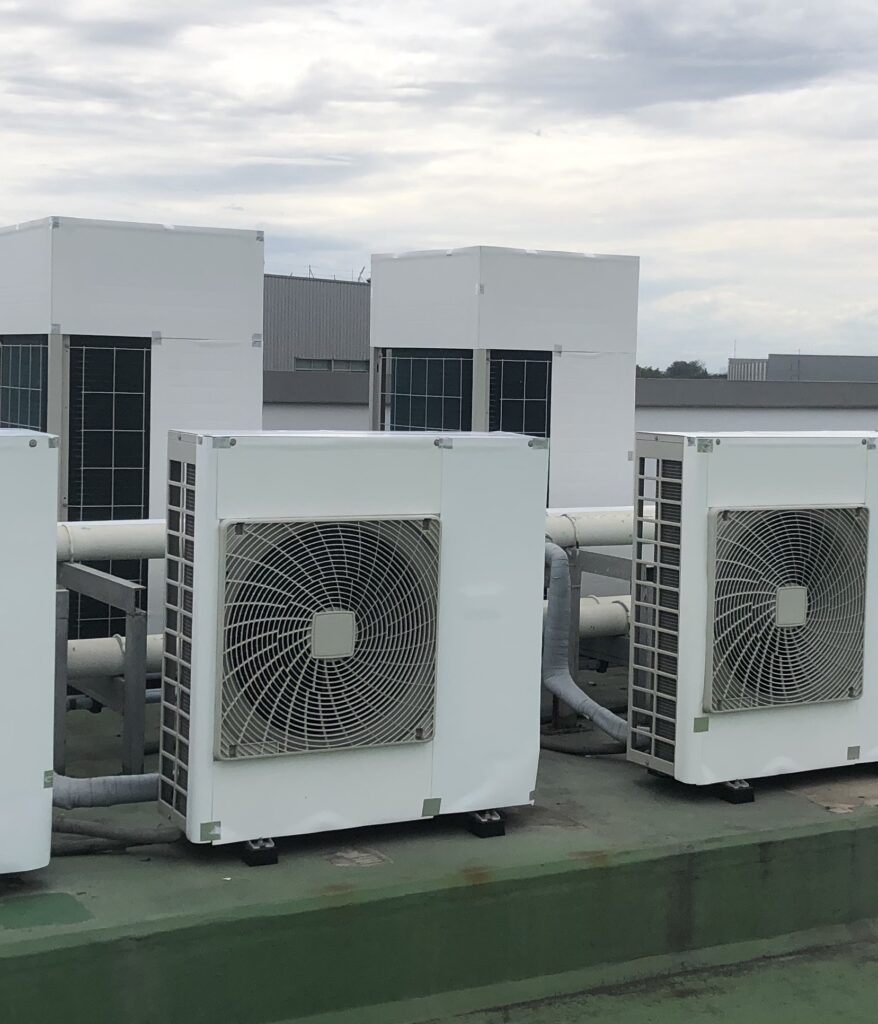
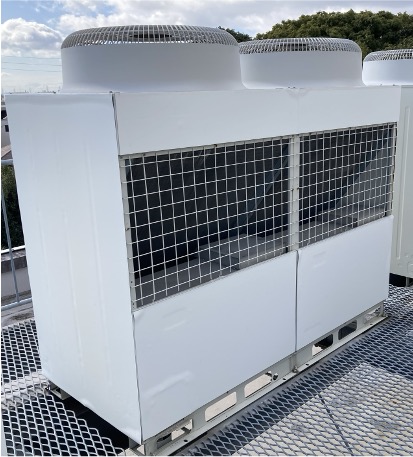
Case Studies and Results: Commercial Air Conditioning Outdoor Units

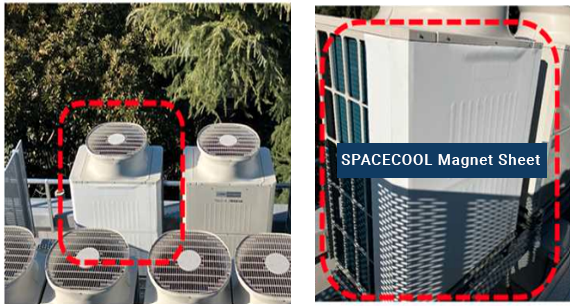
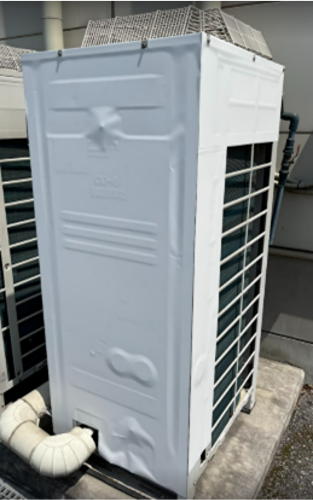
An 8% reduction in electricity consumption was achieved simply by attaching magnetic sheets to the enclosure.
Simple installation enables easy and effective energy savings.
Client
Automotive parts manufacturer in Kanagawa
Equipment
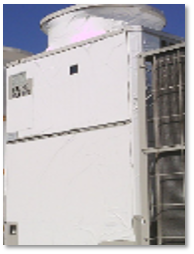
Mitsubishi Electric air conditioning outdoor unit
Objective
To prevent summer high-temperature and high-pressure shutdowns and improve energy efficiency by reducing energy loss.

Test conditions

Thermostat setting
28°C during business hours
Measurement period
July–September 2024
Measurement method
Surface temperature and electricity consumption
Material
SPACECOOL Magnet Sheet
Coverage
Entire surface (top and all sides)

Test results

Surface temperature
5.5°C lower
Electricity consumption
8% reduction

Customer reviews

  • Because the magnetic sheets can be easily installed during short downtime, they led to a reduction in electricity consumption.
  • Lowering the temperature around internal components such as the inverter and compressor improved overall energy efficiency.
  • In addition, the use of magnetic sheets keeps installation costs low, enabling a fast return on investment.

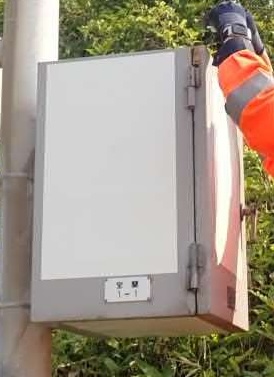
Case Studies and Results: Deployment at a Telecommunications Base Station

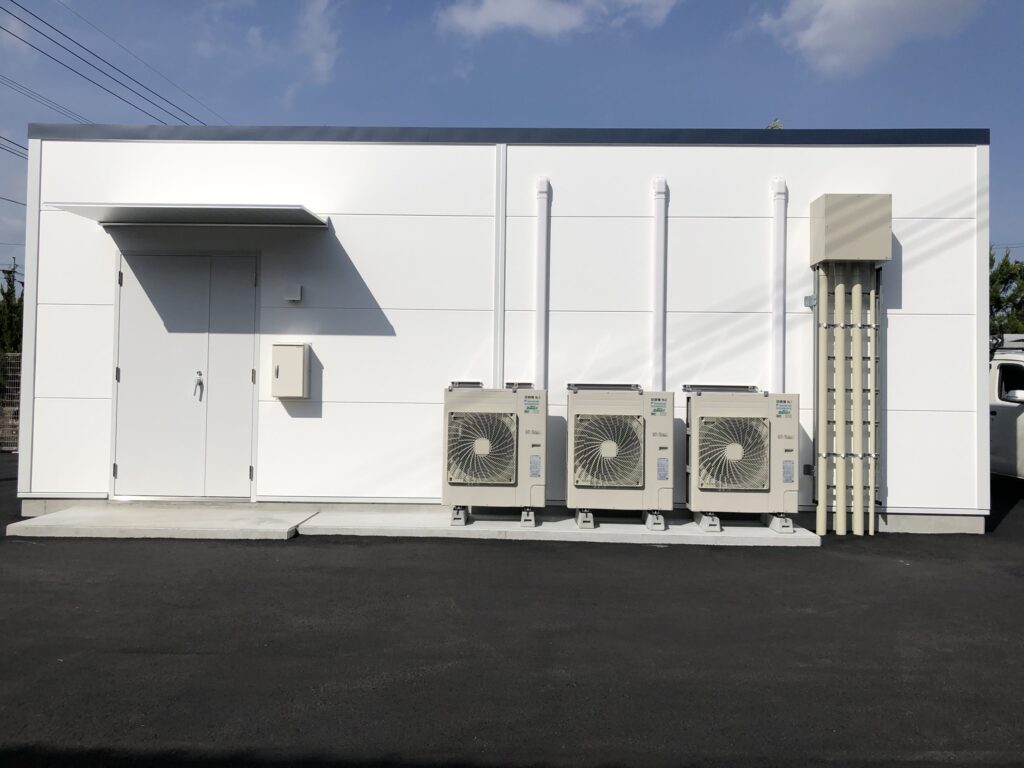
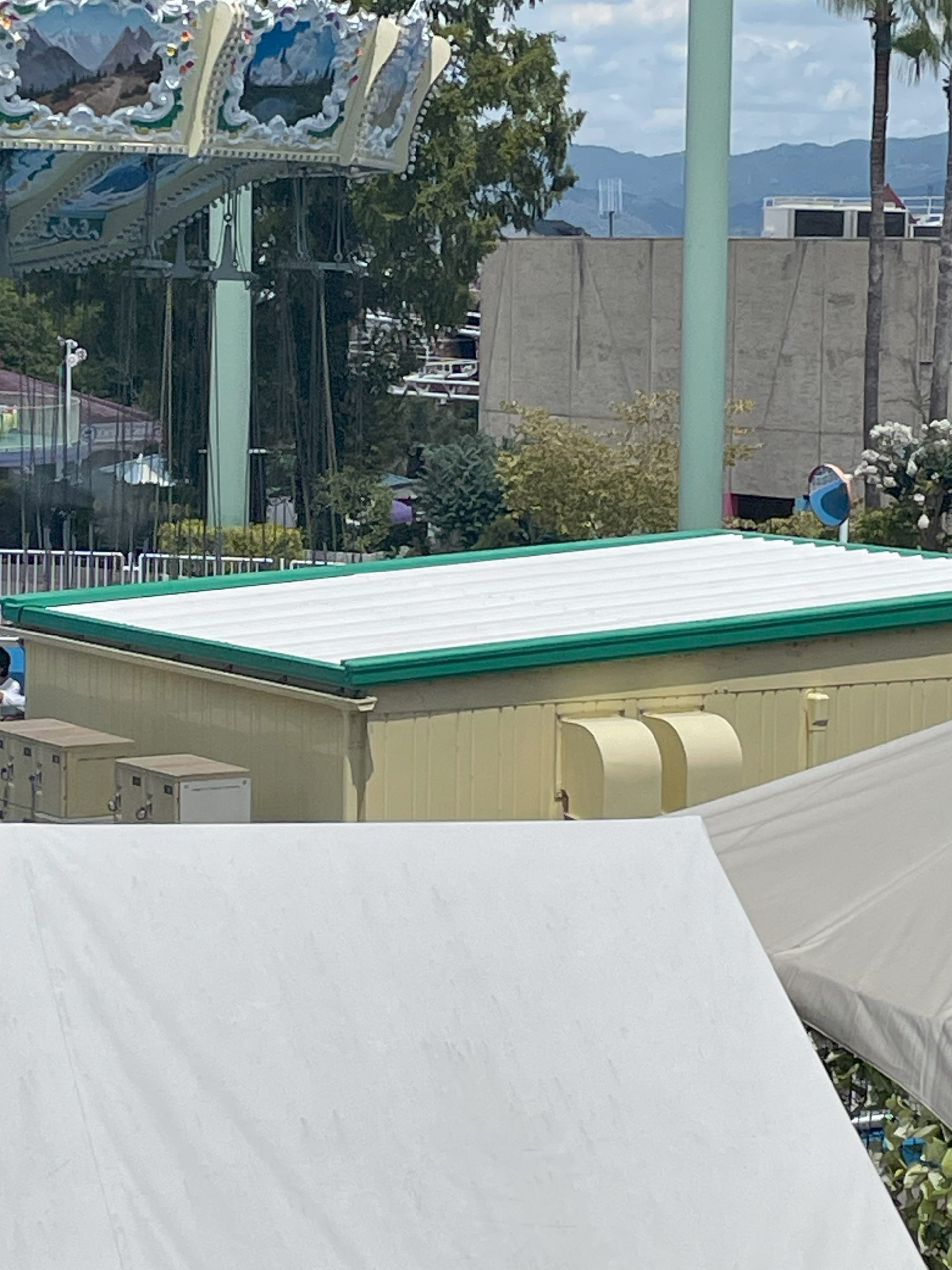
Indoor temperature was reduced by an average of 3.6°C, eliminating temperature alerts.
The air-conditioning setpoint was raised by 3°C, contributing to stable operations and lower energy consumption.
Client
QTnet Corporation
Location
Kurume, Fukuoka
Application
Telecommunications facility
Objective
To suppress summer temperature rise alerts and improve air-conditioning setpoints for energy savings

Test conditions

Measurement Period
September 2023 – September 2024
Measurement Method
Temperature loggers and power loggers
Material
SPACECOOL Film
Coverage
Entire surface (top and all sides)

Test results

Indoor temperature reduction
Up to 5.3°C (avg. 3.7°C)
Air-conditioning setpoint
Increased by 3–4°C (with no temperature issues observed)

Customer reviews

  • In addition to the strong temperature-reduction performance achieved through zero-energy thermal shielding and radiative cooling, we decided to conduct a trial adoption due to the simple installation—just applying the material—and the absence of ongoing operating costs.

Case Studies and Results: High-Voltage Power Receiving and Distribution Panels

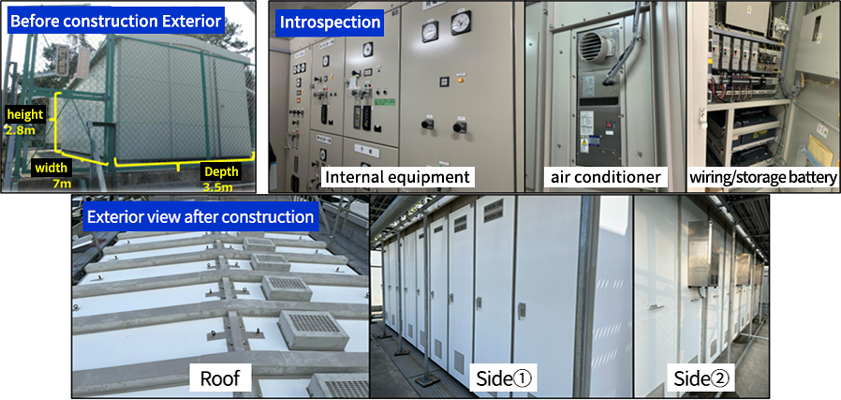
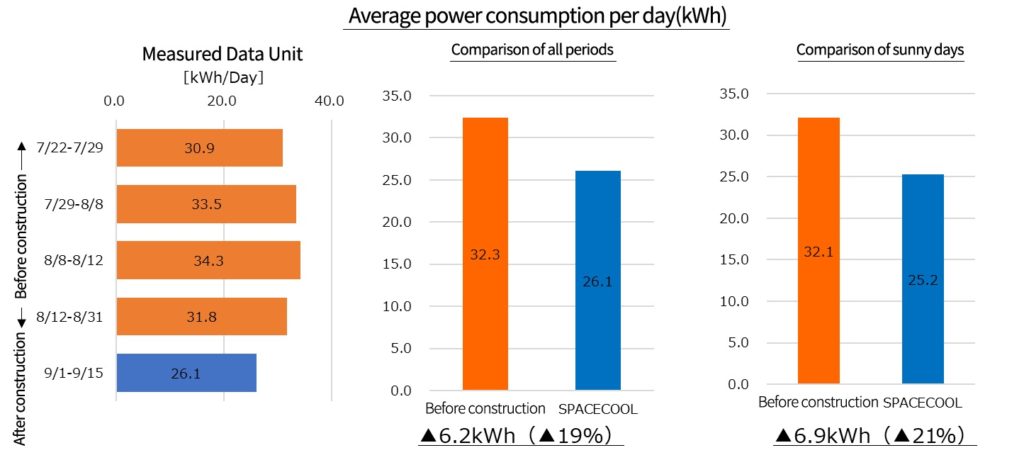
Air-conditioning power consumption was reduced by approximately 21% on sunny days and by approximately 20% over the entire period, including rainy and cloudy days.
Objective
This initiative was conducted jointly with ENEOS Holdings, Inc. to improve the energy efficiency of high-voltage power receiving and distribution panels equipped with air-conditioning functions.

Test conditions

Date
Power consumption reduction was evaluated over the entire period, with July 22–August 31 defined as the pre-installation phase and September 1 onward as the post-installation phase.
Coverage
Roof, east, west, south, and north walls (five surfaces)
Installed Internal Equipment
Vacuum circuit breakers 3.6 kV, 600 A × 6 units
  • Molded transformer 3-phase 3.3 kV / 210 V, 100 kVA × 1 unit
  • Molded transformer Single-phase 3.3 kV / 210–105 V, 100 kVA × 1 unit
  • DC power supply unit 2.6 kVA × 1 unit
  • Storage battery MSE, 50 Ah (10-hour rate), 54 cells(MSE-50-12 × 9, DC 108 V per set)
  • Air conditioners Single-phase 100 V, 615 W × 3 units

Test results

  • Monitoring air-conditioning power consumption with and without the material showed reductions of approximately 21% on sunny days and approximately 20% over the entire period, including rainy and cloudy days.

Introduction example

Other Solution Examples

Improving comfort and safety, and contributing to climate adaptation and mitigation.
SPACECOOL supports society and people through a wide range of applications.