Buildings | SPACECOOL INC.

SOLUTIONS - Buildings

Warehouses, factories, offices, etc.

Resources

Current thermal issues and solutions with SPACECOOL

Increase in heatstroke risk from rising indoor temperatures in summer

  • Helps lower WBGT and support MHLW-defined workplace heatstroke measures

Heat damage and quality degradation of stored items

  • Helps suppress indoor temperature rise and improve storage quality

Increase in electricity use and CO₂ emissions from AC operation

  • Helps reduce cooling load and lower AC costs and CO₂ emissions

Challenges of Conventional Heat Countermeasures

Thermal Insulation Material

  • Thick insulation reduces loading efficiency and increases weight
  • Stored heat raises temperatures at night

Air Conditioners

  • Consumes significant electricity for cooling and results in CO₂ emissions

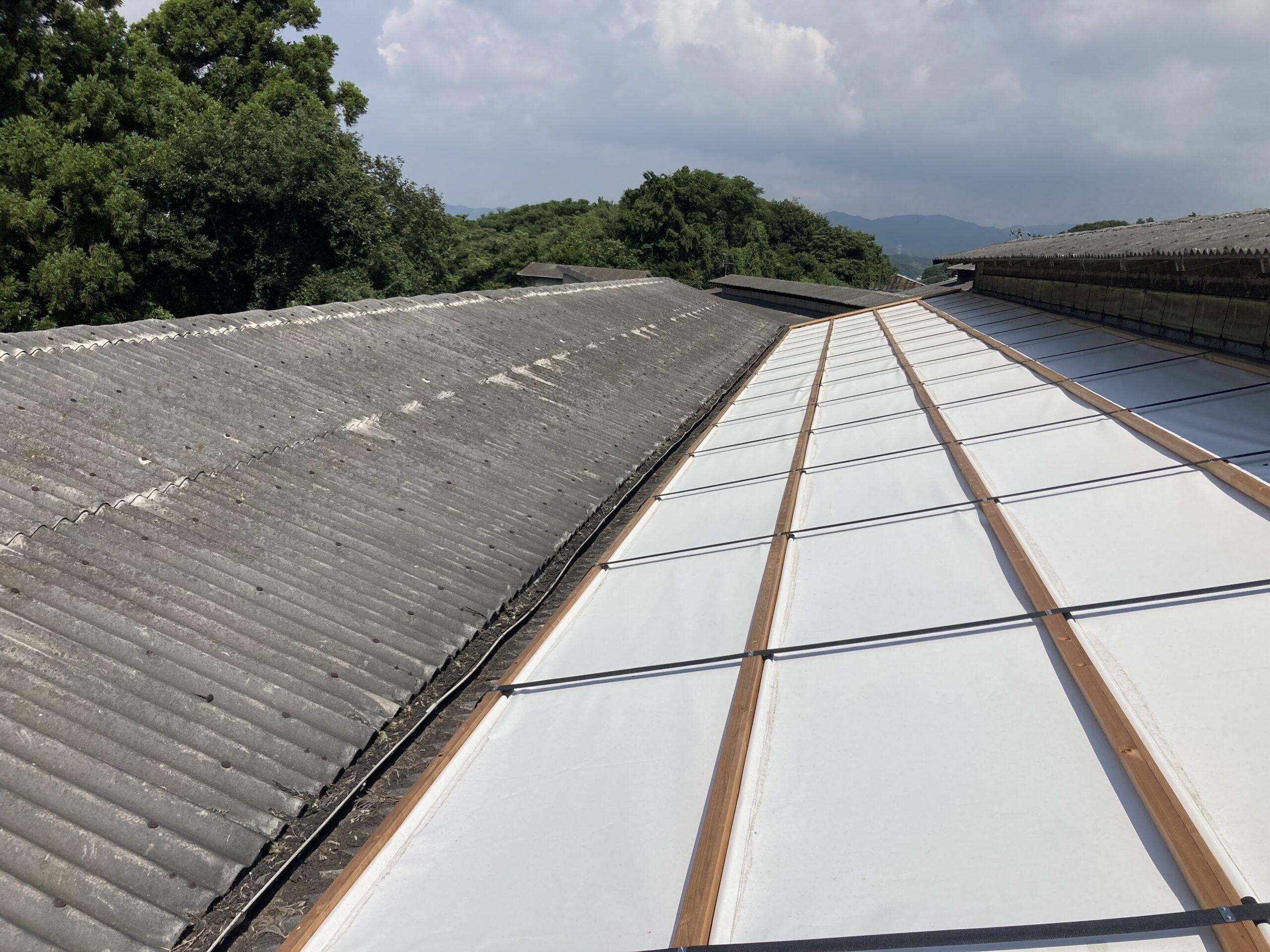
Case study and results: standing seam roof installation

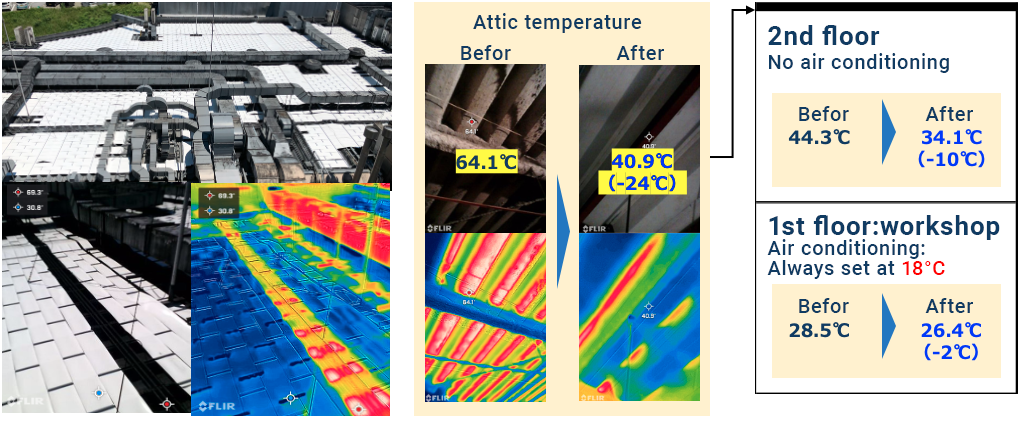
A 2-3°C temperature drop in the 19°C air-conditioned workspace reduced solvent evaporation and improved print quality.
Client
KIDO PACKAGING Co., Ltd.
Application
Standing seam roof
Objective
To lower indoor temperatures, improve the working environment, and suppress heat-induced solvent evaporation.

Test conditions

Installation site
Factory roof
Installation area
Approx. 1,100 m²
Construction period
3 days (4 workers)
Material
SPACECOOL Tarpaulin

Test results

2nd floor (non-air-conditioned)
-10°C
1st floor (air-conditioned, set to 19°C)
-2°C

Case study and results: concrete roof

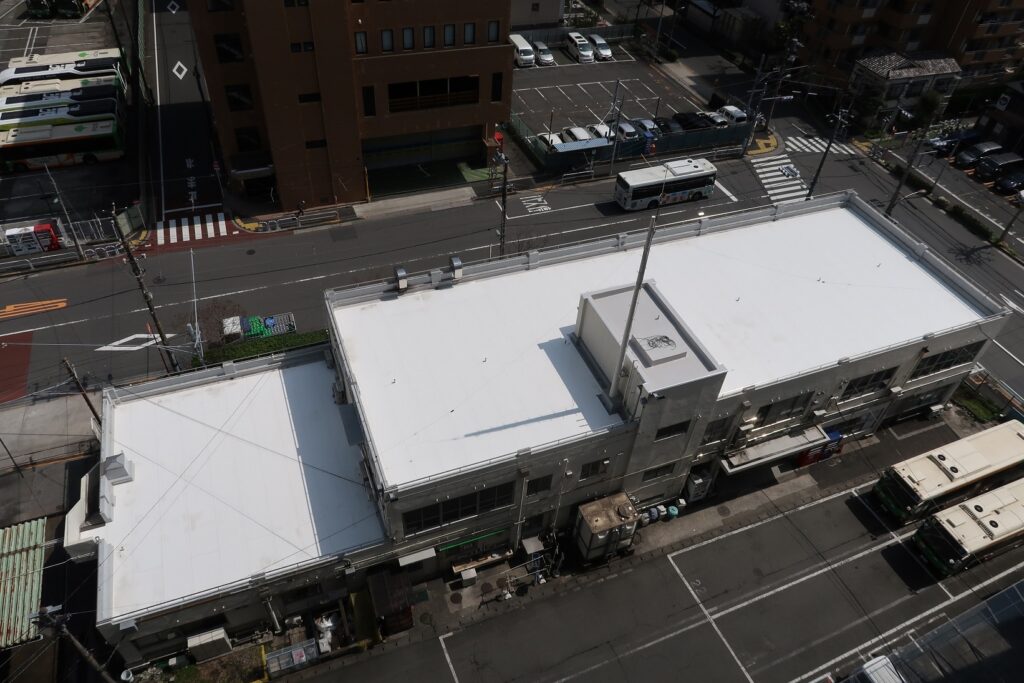
At the Shinagawa Vehicle Depot, electricity consumption was reduced by up to 8.7% (avg. 7.8%).
Client
Tokyo Metropolitan Bureau of Transportation
Application
Flat concrete roof
Objective
To reduce air-conditioning energy consumption at the vehicle depot

Test conditions

Installation site
Rooftop
Installation area
Approximately 600 m²
Material
Innovation Proof RR
Measurement period
May 1 to September 30, 2024

Test results

  • Electricity consumption at the vehicle depot was reduced by up to 8.7%, with an average reduction of 7.8%.

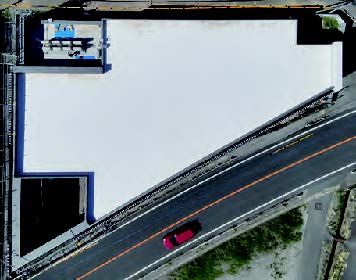
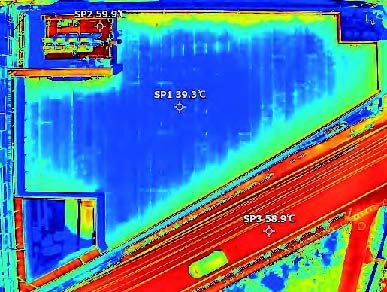
Case study and results: concrete roof

A trial installation of Innovation Proof RR was conducted to reduce air-conditioning energy use.
Compared with existing materials, surface temperatures dropped by 20-30°C.
Client
Netz Toyota Saitama Co., Ltd.
Application
Flat concrete roof
Objective
To support the company’s decarbonization initiatives by reducing air-conditioning energy consumption

Test conditions

Installation site
Rooftop
Installation area
Approximately 600 m²
Material
Innovation Proof RR

Test results

  • Roof surface temperatures decreased by 20-30°C.

Case study and results: exterior walls and roof between buildings

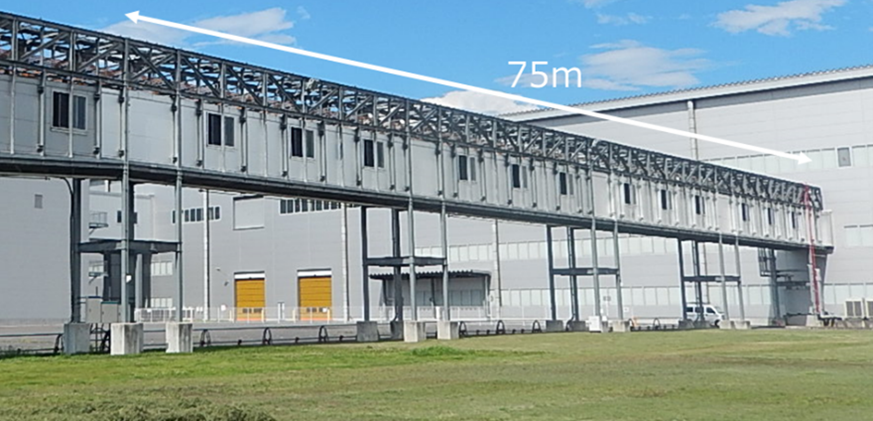
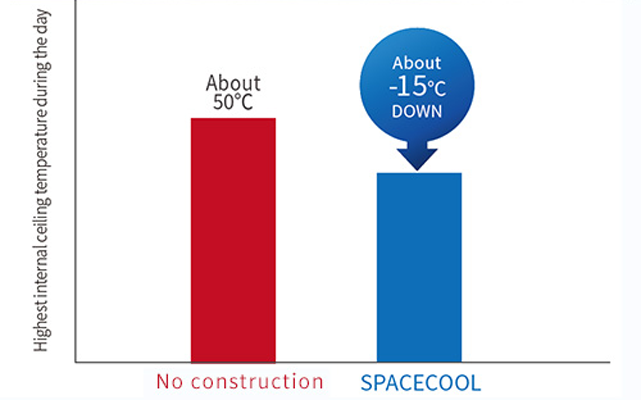
Installing SPACECOOL on the exterior walls and roof between buildings reduced the internal ceiling temperature by approximately 15°C.
Client
Honda Motor Co., Ltd.
Objective
Reducing temperatures in the inter-building passageways of an automobile mass-production plant

Test conditions

Installation site
Exterior walls and roof of the inter-building passageway at Honda Yorii Plant
Measurement location
Ceiling temperatures measured in both installed and non-installed areas

Test results

  • With the air-conditioning turned off, the internal ceiling temperature was reduced by approximately 15°C during the peak outdoor temperature of the day.
This demonstration test was conducted as a joint development project with Honda Motor Co., Ltd.

Introduction example

Other Solution Examples

Improving comfort and safety, and contributing to climate adaptation and mitigation.
SPACECOOL supports society and people through a wide range of applications.