
Radiative Cooling Material SPACECOOL Deployed on Fruit and Vegetable Vending Carts in India
Passive Cooling Solution Extends Produce Shelf Life to Up to Four Days, Helping Reduce Food Loss and Increase Vendor Incomes
TOKYO, JAPAN – September 25, 2026 – SPACECOOL INC. today announced the deployment of its radiative cooling material, SPACECOOL, on fruit and vegetable vending carts in India, helping vendors keep produce fresh for longer, reduce spoilage, and improve their livelihoods without requiring additional energy consumption.
The deployment is part of SPACES (Scaling Passive and Affordable Cooling Solutions for Economic resilience and Sustainability), an initiative funded by Shell Foundation and the UK government’s Foreign, Commonwealth & Development Office (FCDO) through the Transforming Energy Access (TEA) platform via the FCDO’s Global Research and Technology Development (GRTD) portfolio. Delivered in collaboration with Trane Technologies, whose cooling expertise supports the initiative’s technical approach, and implementation partner Intellecap, SPACES aims to address the growing impact of heat stress on low-income communities across India. The programme supports the adoption of innovative cooling solutions that improve working conditions, reduce food loss, and enhance productivity and income opportunities.
Under the initiative, vegetable and fruit vendors have begun using vending carts equipped with SPACECOOL technology. Early user feedback indicates particularly strong benefits for green leafy vegetables, which are highly vulnerable to heat exposure and spoilage.
Produce that would typically need to be discarded after around two days can now remain marketable for up to four days under similar conditions. The extended shelf life helps vendors reduce waste, manage inventory more effectively, and make fewer trips to wholesale markets, lowering fuel, time and operational costs.
Preliminary estimates suggest the cooling carts could contribute to a 10–25% increase in vendor income through reduced losses and improved business efficiency.
In addition to their cooling performance, the distinctive design of the carts has attracted customer interest, helping vendors increase visibility and engage more effectively with potential buyers.
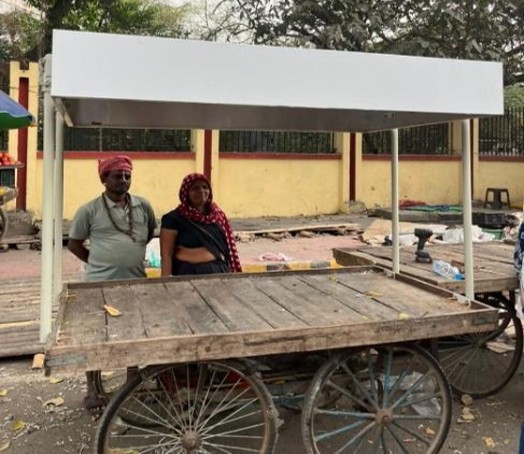
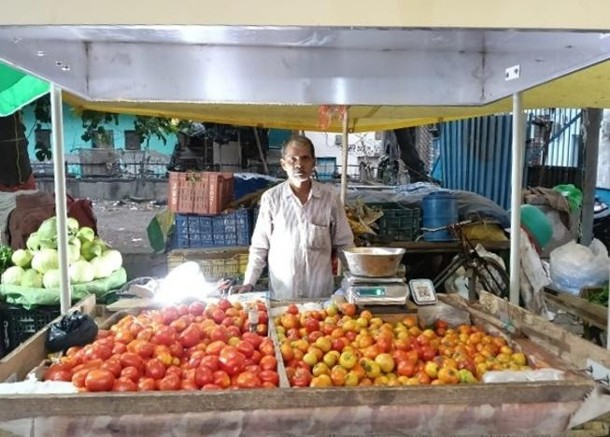
Cooling carts fitted with SPACECOOL
Vendor Feedback
Vendors participating in the pilot reported a range of benefits, including:
- Vegetables remaining fresh for longer periods.
- Slower spoilage of green leafy vegetables.
- Reduced end-of-day wastage.
- Increased customer curiosity and engagement due to the cart design.
- Higher earnings that have enabled greater investment in household needs, including children’s education.
Scaling Impact
The SPACES programme is now entering its next phase, with ongoing monitoring of cooling performance, user comfort, productivity and income impacts. The programme will continue gathering evidence from pilot deployments and share learnings with potential adopters, policymakers and ecosystem partners to support wider commercial adoption.
“Heat stress is increasingly affecting livelihoods, productivity and food security across many parts of the world,” said Tanya Kothari – Head of Portfolio, Micro-entrepreneurs. “This deployment demonstrates how passive cooling technologies can help reduce food loss, support small businesses and improve resilience for vulnerable communities.”
SPACECOOL INC. will continue advancing the deployment of its radiative cooling technology globally to help address increasingly severe heat stress challenges while supporting sustainable and energy-efficient cooling solutions.
About Shell Foundation
For over 25 years, Shell Foundation an independent charity registered in England and Wales, has empowered underserved customers to raise their incomes while lowering emissions. The Foundation supports early-stage innovations; helps the best of them to reach millions of people; and de-risks capital to prove those models are commercial at scale. Across Asia and Africa, the Foundation enables resilient prosperity among three core groups of people: smallholder farmers, transporters, and micro-entrepreneurs. Find out more at https://shellfoundation.org/.
About the Foreign, Commonwealth & Development Office
The Foreign, Commonwealth & Development Office (FCDO) is the UK government department responsible for diplomacy, international development and consular services, working to promote British interests and tackle global challenges worldwide.
About the Transforming Energy Access (TEA) platform
Transforming Energy Access (TEA) is the flagship FCDO research and innovation programme supporting early-stage testing and scale-up of innovative technologies and business models that accelerate access to affordable, clean energy for poor households, enterprises, and social institutions in developing countries across sub-Saharan Africa, South Asia, and the Indo-Pacific. This includes support to innovations across the three Ayrton Fund themes of clean supply, super-efficient demand, and smart delivery, as well as integration of solutions across all three. In late 2021, a £126m scale-up of the platform was announced at COP26, further advancing TEA into a major delivery platform for the Ayrton Fund focused on delivering innovations enabling a Just Transition for the 733 million people who still lack access to electricity, the 2.4 billion people who cook using fuels detrimental to their health and the environment.