Demonstration Trial with Tokyo Metropolitan Bureau of Transportation Confirms SPACECOOL’s Effect in Reducing Air Conditioning Load Lower Energy Consumption at Bus Depot Contributes to a Carbon-Neutral Society
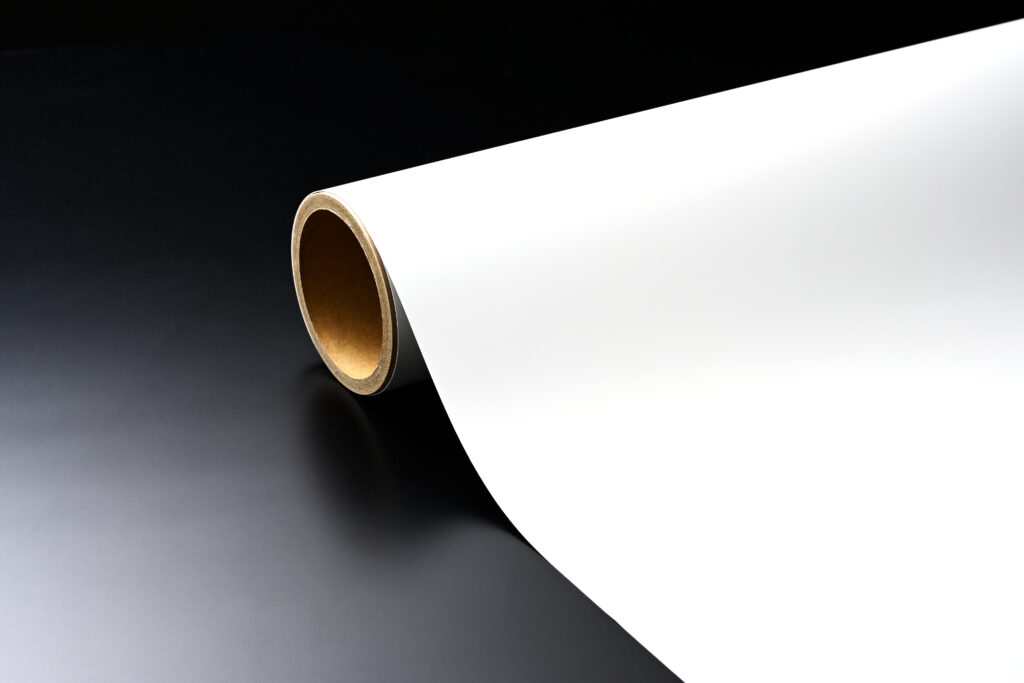
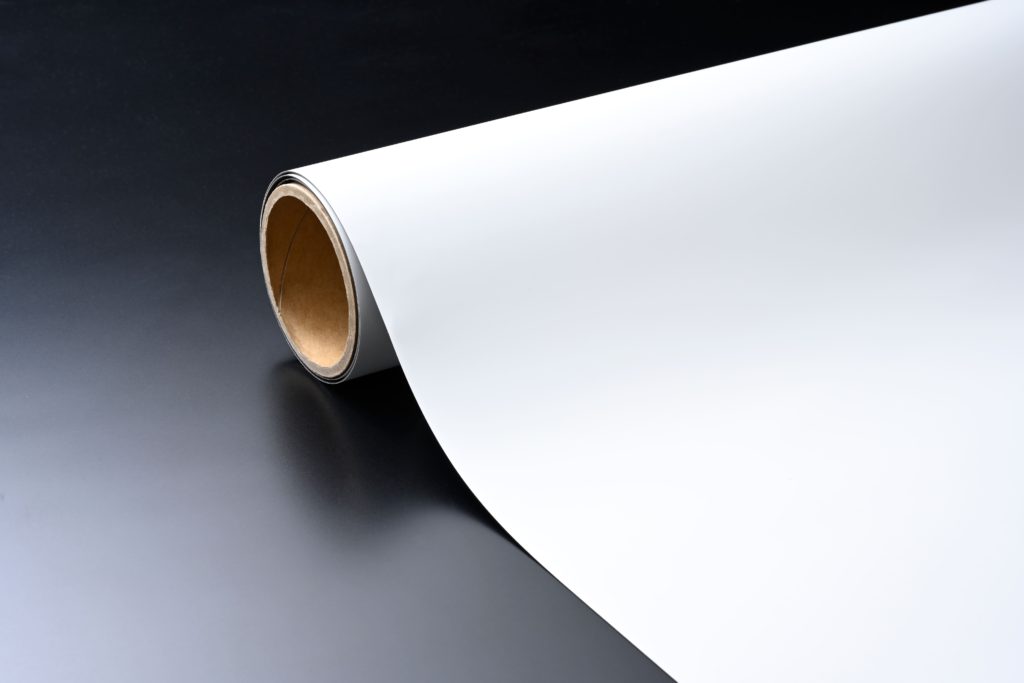
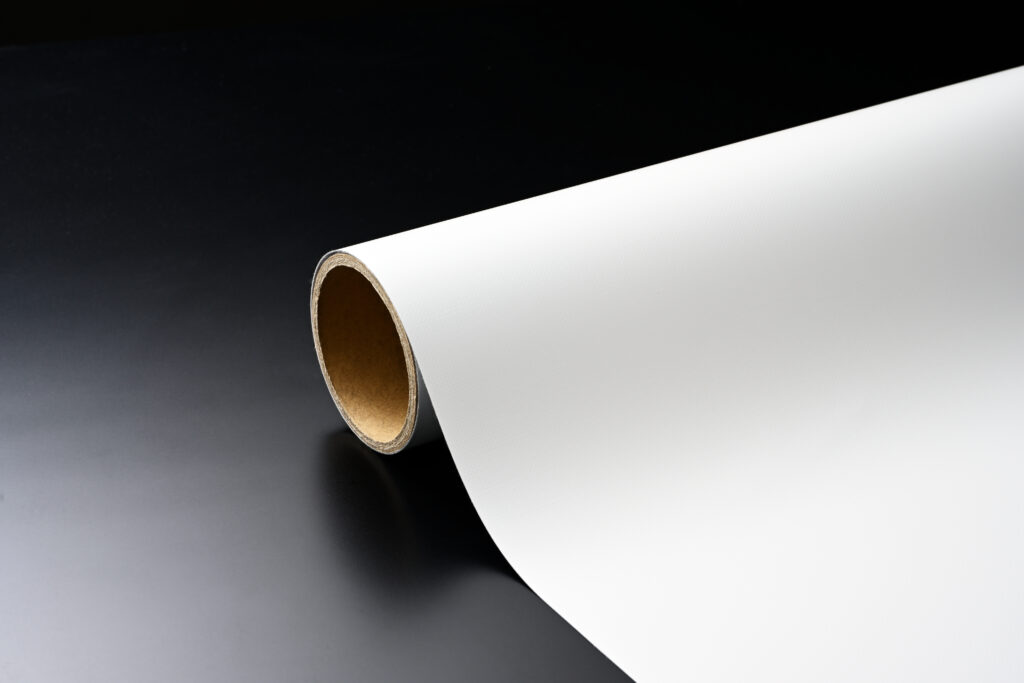
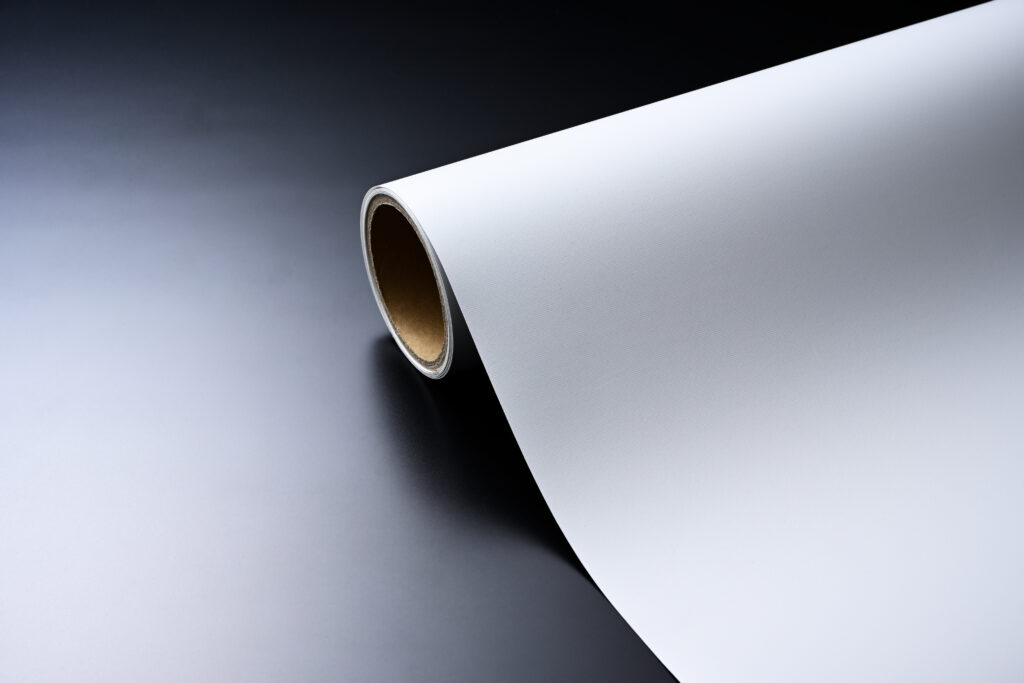
SPACECOOL INC. conducted a joint demonstration trial last year with the Tokyo Metropolitan Bureau of Transportation and LONSEAL CORPORATION to evaluate energy savings at the Shinagawa Bus Depot. In this trial, the SPACECOOL waterproof sheet (currently marketed as “Innovation Proof RR”), incorporating SPACECOOL’s radiative cooling material, was installed on the rooftop of the building. The results confirmed a reduction in electricity consumption at the depot by up to 8.7%, with an average reduction of 7.8%.

Overview of the Demonstration Trial
Objective:
To evaluate the extent to which electricity consumption at the Shinagawa Bus Depot can be reduced by mitigating heat gain from direct sunlight through rooftop installation of “Innovation Proof RR,” a waterproof sheet utilizing the radiative cooling material “SPACECOOL,” which enables passive cooling by emitting heat into outer space without energy input. The trial compared the SC Sheet (manufactured and sold by LONSEAL) with both a conventional heat-shielding waterproof sheet (hereinafter “heat-shielding sheet”) and a standard waterproof sheet with no heat shielding function (hereinafter “conventional sheet”) that had been previously installed.
Period:
May 1 to September 30, 2024
Results of the Demonstration Trial
Table 1 compares electricity consumption at the bus depot between 2023 and 2024. The results show that the installation of the SC Sheet led to a reduction in electricity consumption during the summer season by a maximum of 8.7%, and an average of 7.8%. Since there was no significant difference in average ambient temperatures in Tokyo between the two years, the influence of outdoor temperature on energy usage is considered negligible.

In addition, two key indicators were used to evaluate the SC Sheet’s energy-saving and temperature-reducing effects:
①Estimated Reduction in Solar Heat Gain from Rooftop Due to SC Sheet Installation
This estimate is based on thermal conductivity, thermal transmittance, reflectivity, and emissivity of each material in the roof structure. The analysis shows that compared to the conventional sheet, the SC Sheet reduces heat gain from rooftop solar radiation by up to 86.2%, with an average reduction of 74.6%. Compared to the heat-shielding sheet, the reduction is up to 27.0%, with an average of 26.7%.

②Measured Temperature Reduction Effect of SC Sheet Installation
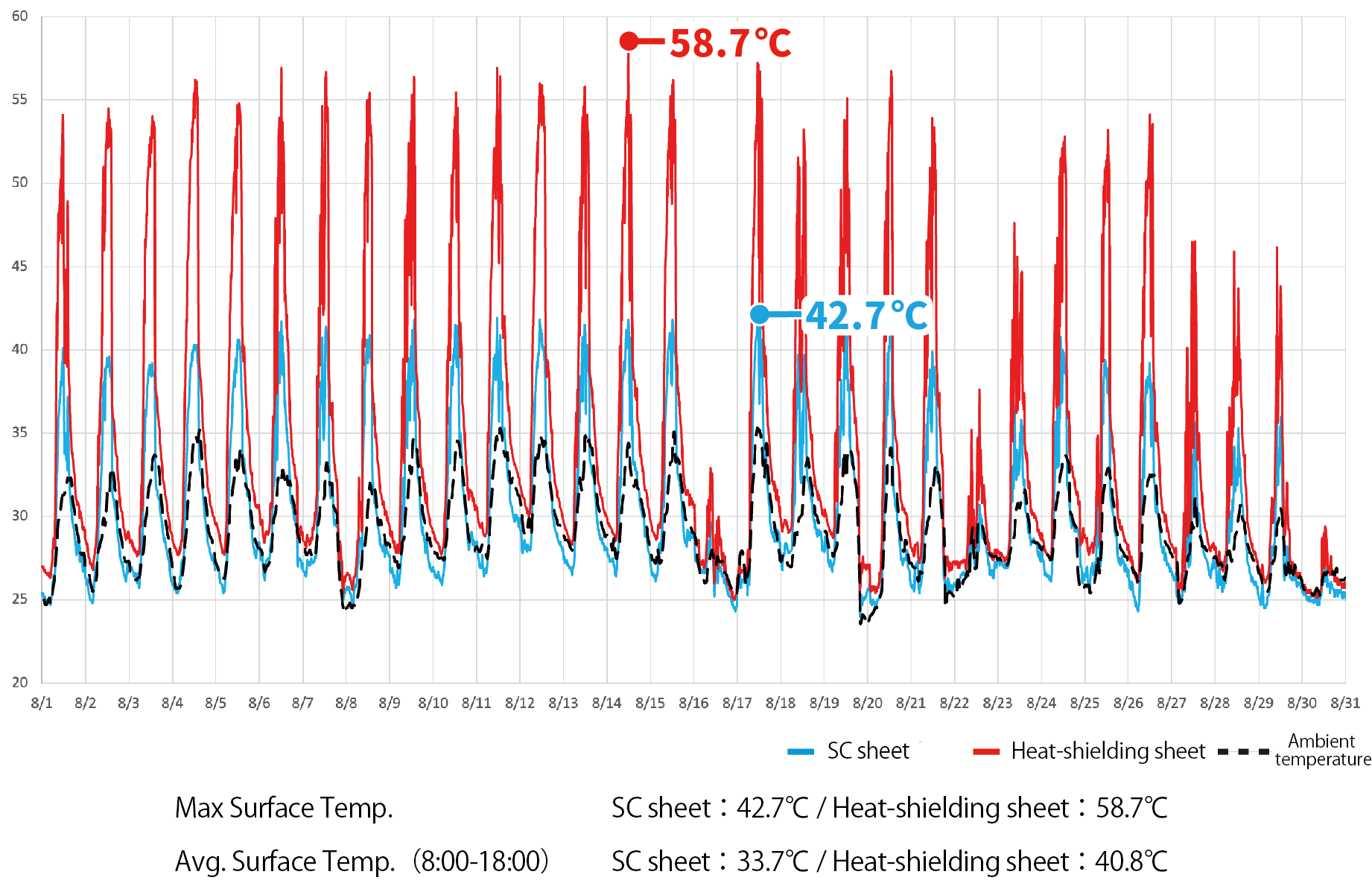
Surface and underside temperatures of the roof were compared between the SC Sheet and the heat-shielding sheet. In August 2024, the hottest month of the year, the SC Sheet achieved a surface temperature reduction of up to approximately 16°C, with an average of about 7°C, compared to the heat-shielding sheet (Figure 1). Regarding the underside of the roof temperature, a maximum reduction of about 5°C was observed during the measurement period. While general heat-shielding sheets typically lower attic temperatures by around 1°C, the SC Sheet demonstrated significantly greater cooling performance.
Future Outlook
With the cooperation of the Tokyo Metropolitan Bureau of Transportation, we have successfully verified the energy-saving performance of SPACECOOL when applied to buildings. This outcome further substantiates SPACECOOL’s potential contribution to a carbon-neutral society. Going forward, we will continue to promote the adoption of SPACECOOL, particularly in the building sector, and contribute to realizing a sustainable, carbon-neutral future.
* “SPACECOOL” is a registered trademark.