Carbon-Neutral Technology Wins the GOOD DESIGN GOLD AWARD 2024! SPACECOOL: A Radiative Cooling Material That Emits Heat into Space for Zero-Energy Cooling
SPACECOOL INC. today announced that its radiative cooling material, “SPACECOOL,” has been chosen as a winner of the GOOD DESIGN GOLD AWARD 2024, organized by the Japan Institute of Design Promotion (JDP).
Furthermore, the GOOD DESIGN GOLD AWARD 2024 serves as a candidate for the GOOD DESIGN GRAND AWARD, which will be selected later.
Official Award Page: https://www.g-mark.org/gallery/winners/21357

What is SPACECOOL, the Radiative Cooling Material?
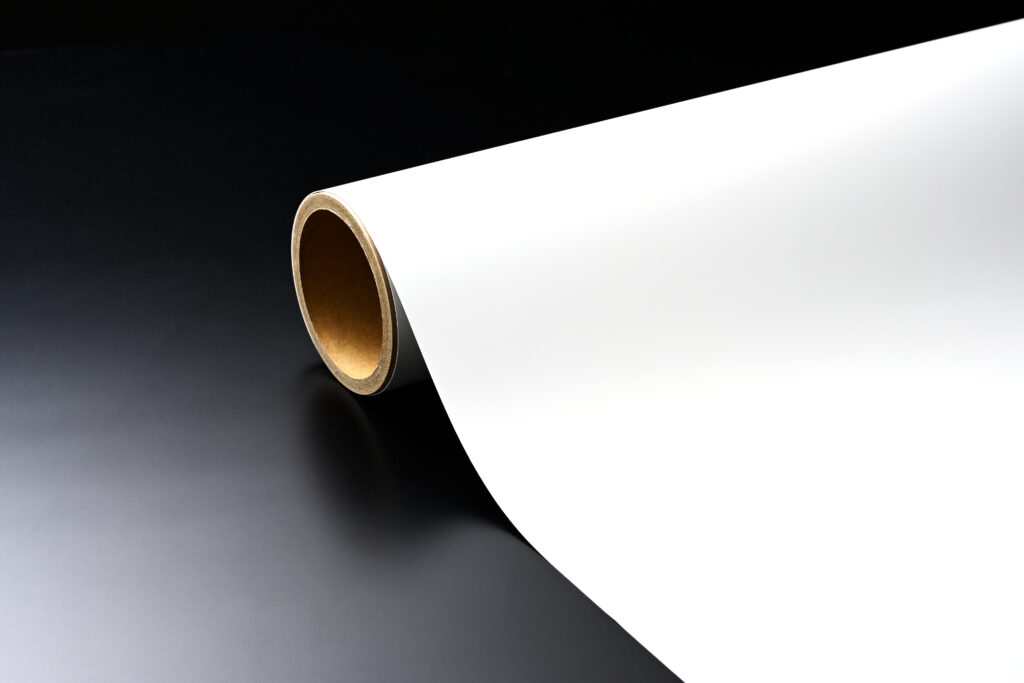
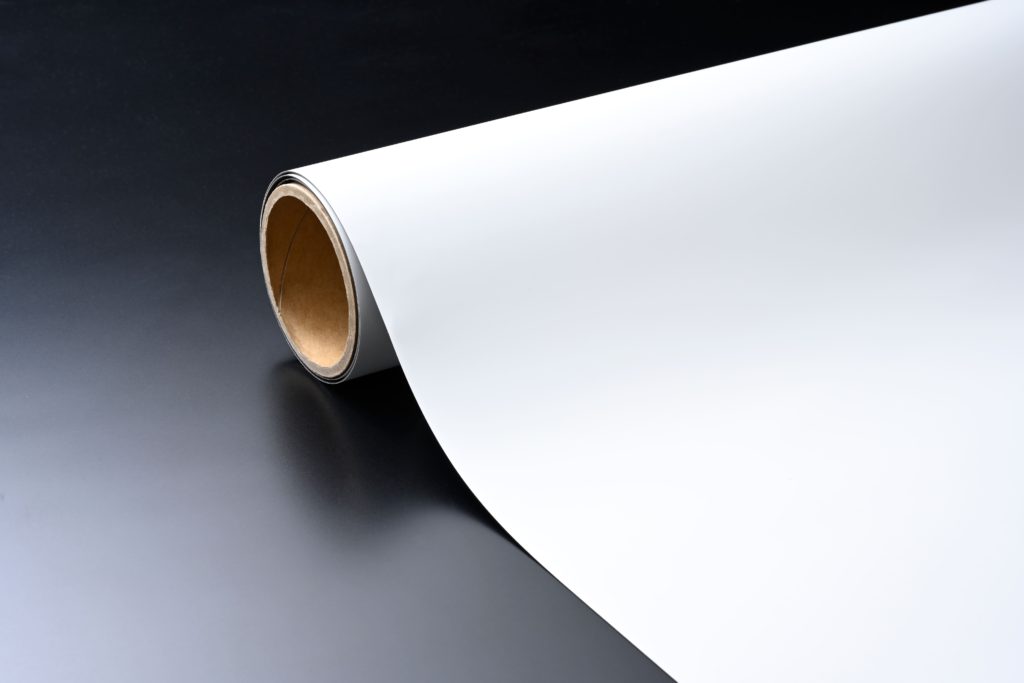
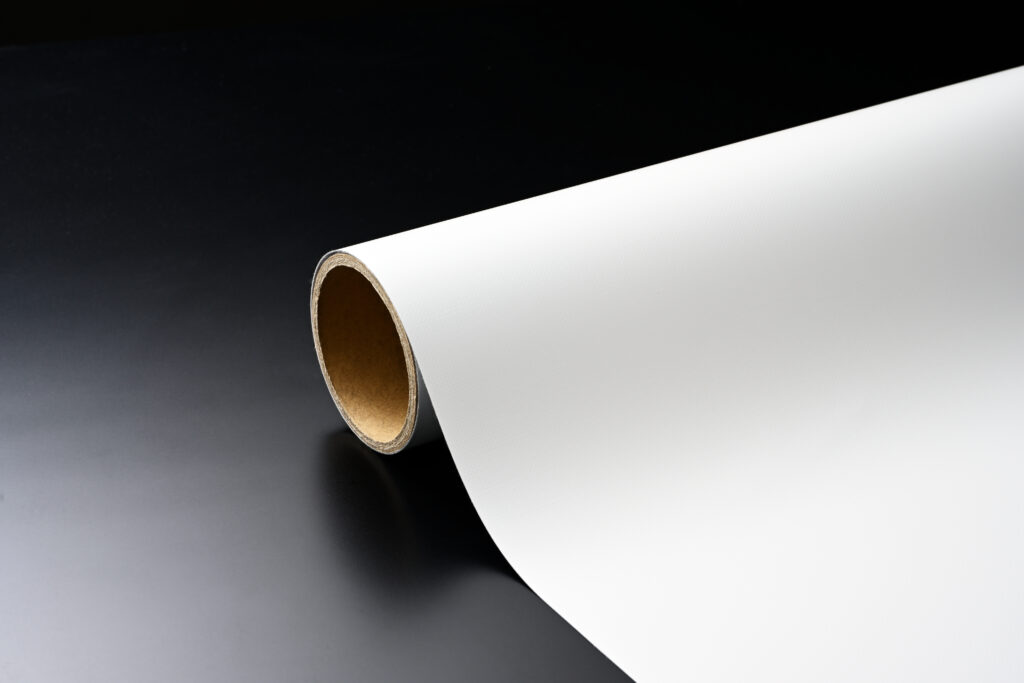
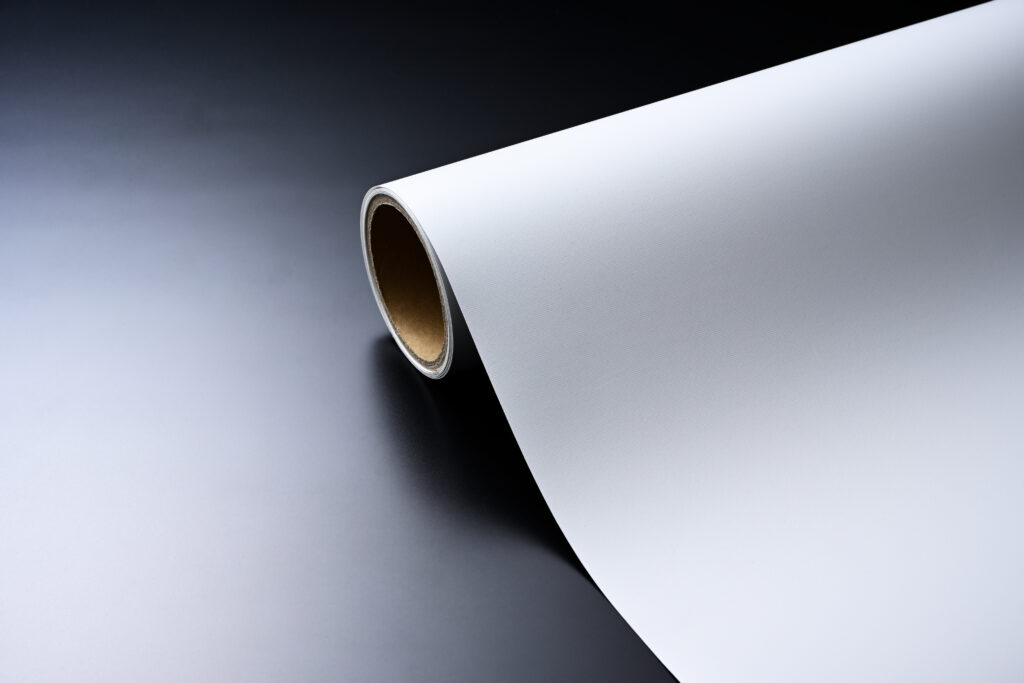
SPACECOOL is an innovative material that blocks heat from sunlight and the atmosphere, emitting it into space through radiative cooling, thereby reducing temperatures below ambient levels with zero energy consumption. Radiative cooling is a natural phenomenon where heat of the Earth is emitted as infrared radiation into the cold outer space (approximately -270°C), resulting in temperature drops. However, during the day, the heat absorbed from sunlight usually exceeds the heat emitted from the surface, making radiative cooling difficult. Additionally, much of the infrared radiation emitted from the Earth’s surface is absorbed and reflected by the atmosphere, preventing it from escaping into space, which contributes to global warming.
SPACECOOL, however, overcomes these challenges with its unique optical design. The material controls the infrared radiation it emits to align with the “atmospheric window”*1—a specific wavelength range through which heat can easily escape into space—thus enabling effective radiative cooling even during the day. By applying this material to buildings or outdoor electrical facilities exposed to direct sunlight, temperatures can be lowered without emitting CO2, helping to reduce air conditioning energy consumption. This contributes not only to the achievement of carbon neutrality but also to preventing heatstroke, improving labor productivity, and more.
Moving forward, SPACECOOL INC. will continue to promote the widespread adoption of this material, aiming to resolve the heat-related challenges faced by people, infrastructure, and society due to global warming, and to contribute to the realization of a carbon-neutral society.

| *1.Atmospheric Window: | The atmosphere has wavelengths that pass light well (high transmittance) and wavelengths that absorb light well (low transmittance). Wavelengths with high atmospheric transmittance are excellent for transporting heat in the form of light energy into space, and the wavelength range of 8–13μm, which is particularly transparent, is called the “atmospheric window.” |
|---|
Judges' Evaluation (Original)
Amid the worsening global warming, the idea of “dumping heat into space through the window of the atmosphere” and its realization are exciting. One of the factors that allows life to exist on Earth, which is currently known as the only place where life can exist, is the balance between solar energy, the atmosphere and radiative cooling that keeps temperatures stable. One cannot help but be excited by the possibility that a film as thin as 0.1 mm can contribute to the prevention of global warming by utilizing the principle of radiative cooling in this mechanism of space and life. It is also interesting to explain the technology that not only reflects the incident light but also converts the heat on the ground into light energy in the wavelength range that is less absorbed by greenhouse gases and radiates it through the atmospheric window. Practical use of films and sheets has already advanced, and applications in various fields are expected in the future.
About The GOOD DESIGN AWARD:
Established in 1957, GOOD DESIGN AWARD is Japan’s leading commendation system. Eligible for application are products, architecture, application and software, projects and initiatives that utilize design and more. Through this system, many people come in contact with “good design” and appreciate their value. The recognition rate of the award is 84%*2, with its familiar symbol, G-Mark.
*2. According to the latest survey by Japan Institute of Design Promotion in 2020.
*SPACECOOL is a registered trademark.